Choosing the right spiritual training program involves much more than comparing course titles or tuition costs. The learning environment itself can have a profound influence on how students develop their intuitive abilities, build confidence, and apply spiritual principles in meaningful ways. While large lecture-style classrooms may work well for many academic subjects, spiritual education often benefits from a more personal and interactive approach.
Developing intuition, channeling, energy awareness, and healing skills requires more than reading textbooks or listening to lectures. Students need opportunities to practice, ask questions, receive constructive feedback, and reflect on their experiences in a supportive setting. This is why many prospective students searching for a university for intuitive and psychic training in the USA look beyond curriculum alone and evaluate how learning is delivered.
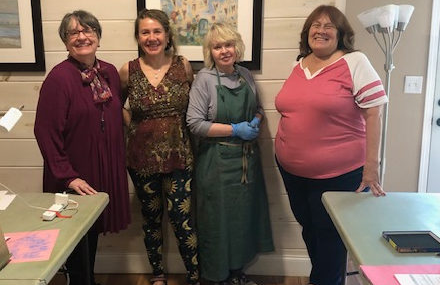
At Delphi University of Spiritual Studies (DUSS), personalized instruction has remained a cornerstone of spiritual education for more than 50 years. Through small class sizes, hands-on experiential learning, and close mentorship from experienced instructors, the university creates an environment where students can discover and strengthen their natural spiritual gifts with confidence.
Spiritual Development Is Personal
Unlike subjects where success can be measured through standardized tests or memorized facts, spiritual development is deeply individual.
Each student arrives with different life experiences, learning styles, intuitive strengths, and personal goals. Some may be complete beginners exploring spirituality for the first time, while others may already have years of experience in healing, meditation, or intuitive work.
Because no two spiritual journeys are identical, meaningful education requires flexibility and individualized attention.
Small class sizes allow instructors to recognize each student’s unique progress, helping them build upon their strengths while providing encouragement in areas that need further development.
Rather than expecting every student to learn at the same pace, personalized instruction creates space for genuine growth.
More Opportunities to Participate
One of the greatest advantages of smaller classes is participation.
In a large classroom, students may hesitate to ask questions or share personal experiences. There is often limited time for meaningful interaction, and instructors may not be able to provide individual feedback.
Smaller learning environments encourage active participation.
Students have greater opportunities to:
- Ask questions freely
- Participate in guided discussions
- Practice intuitive exercises
- Share personal insights
- Receive instructor feedback
- Learn from fellow students
This level of interaction transforms learning from passive observation into active experience.
Rather than simply hearing about spiritual concepts, students begin applying them in real time.
Hands-On Experience Builds Confidence
Spiritual abilities develop through experience.
Reading about channeling or energy healing provides valuable knowledge, but practical application helps students understand how these concepts work in everyday situations.
Experiential learning allows students to move beyond theory through activities such as:
- Guided meditation
- Channeling practice
- Energy awareness exercises
- Intuitive development activities
- Spiritual counseling practice
- Partner exercises
- Group reflection
These experiences help students gradually develop confidence while learning how to interpret intuitive impressions responsibly.
Each practical exercise becomes an opportunity to strengthen awareness, improve discernment, and gain greater trust in one’s own spiritual development.

Individual Feedback Accelerates Growth
Constructive feedback is essential in almost every area of education.
Whether learning music, counseling, public speaking, or spiritual practices, students improve more quickly when experienced instructors observe their progress and provide thoughtful guidance.
In smaller classes, instructors can:
- Observe individual practice
- Answer personal questions
- Clarify misunderstandings
- Encourage healthy spiritual habits
- Suggest techniques for continued improvement
- Help students develop greater discernment
This personalized support helps students recognize subtle progress they might otherwise overlook.
It also reduces uncertainty, allowing students to develop their intuitive abilities with greater confidence and clarity.
Mentorship Supports Lifelong Learning
Effective spiritual education extends beyond classroom instruction.
Many students benefit from mentors who understand both the technical and personal aspects of spiritual growth.
Mentorship creates opportunities to discuss challenges, celebrate progress, and receive encouragement throughout the learning journey.
Experienced instructors can help students:
- Understand new experiences
- Maintain realistic expectations
- Develop ethical practices
- Build confidence gradually
- Continue growing beyond individual courses
For many learners, this ongoing relationship becomes one of the most valuable aspects of their spiritual education.
A Safe Environment Encourages Exploration
Developing intuitive abilities often involves exploring unfamiliar experiences.
Students may have questions about meditation, channeling, healing, or personal spiritual insights that they feel uncomfortable discussing in larger groups.
Smaller classes foster trust.
Students often feel more comfortable:
- Sharing personal experiences
- Asking sensitive questions
- Practicing new techniques
- Learning from constructive feedback
- Supporting one another’s progress
A respectful learning environment encourages openness while allowing instructors to provide individualized support.
This sense of community can become an important part of the educational experience.
Learning From Shared Experiences
Although spiritual development is personal, students also learn from one another.
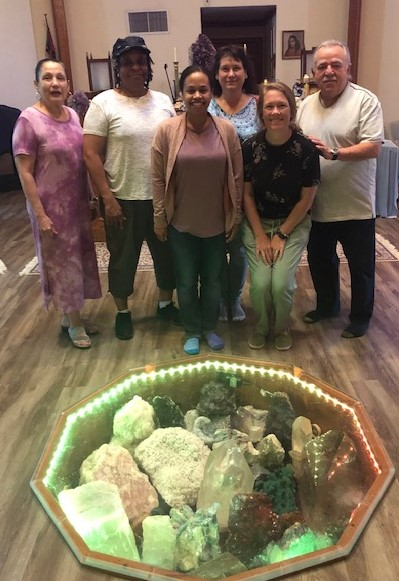
Within smaller groups, participants hear diverse perspectives, observe different approaches, and gain insights from classmates with varying backgrounds.
Someone new to spirituality may benefit from the experiences of a longtime meditator, while an experienced healer may gain fresh perspectives from someone approaching intuitive development for the first time.
These interactions create a collaborative atmosphere where learning extends beyond instructor-led lessons.
Students discover that there is no single “correct” way to experience spiritual growth, helping them appreciate the diversity of intuitive expression.
Grow Through Personalized Spiritual Education
Spiritual growth is not a competition, nor is it a one-size-fits-all experience. It is a personal journey that flourishes in an environment where students feel supported, encouraged, and challenged to develop their natural abilities.
For more than five decades, Delphi University of Spiritual Studies has created that environment through small class sizes, experienced faculty, and a commitment to experiential learning. Rather than simply teaching spiritual concepts, Delphi helps students apply them through guided practice, meaningful mentorship, and progressive education that supports lifelong personal and spiritual development.
Whether your goal is intuitive development, spiritual healing, metaphysical study, or personal transformation, Delphi’s personalized approach provides the opportunity to learn with confidence while discovering your unique spiritual potential.
If you’re searching for a trusted university for intuitive and psychic training in the USA, get in touch now to explore the programs at Delphi University of Spiritual Studies and discover how hands-on learning, individualized instruction, and more than five decades of educational experience can support your spiritual journey.